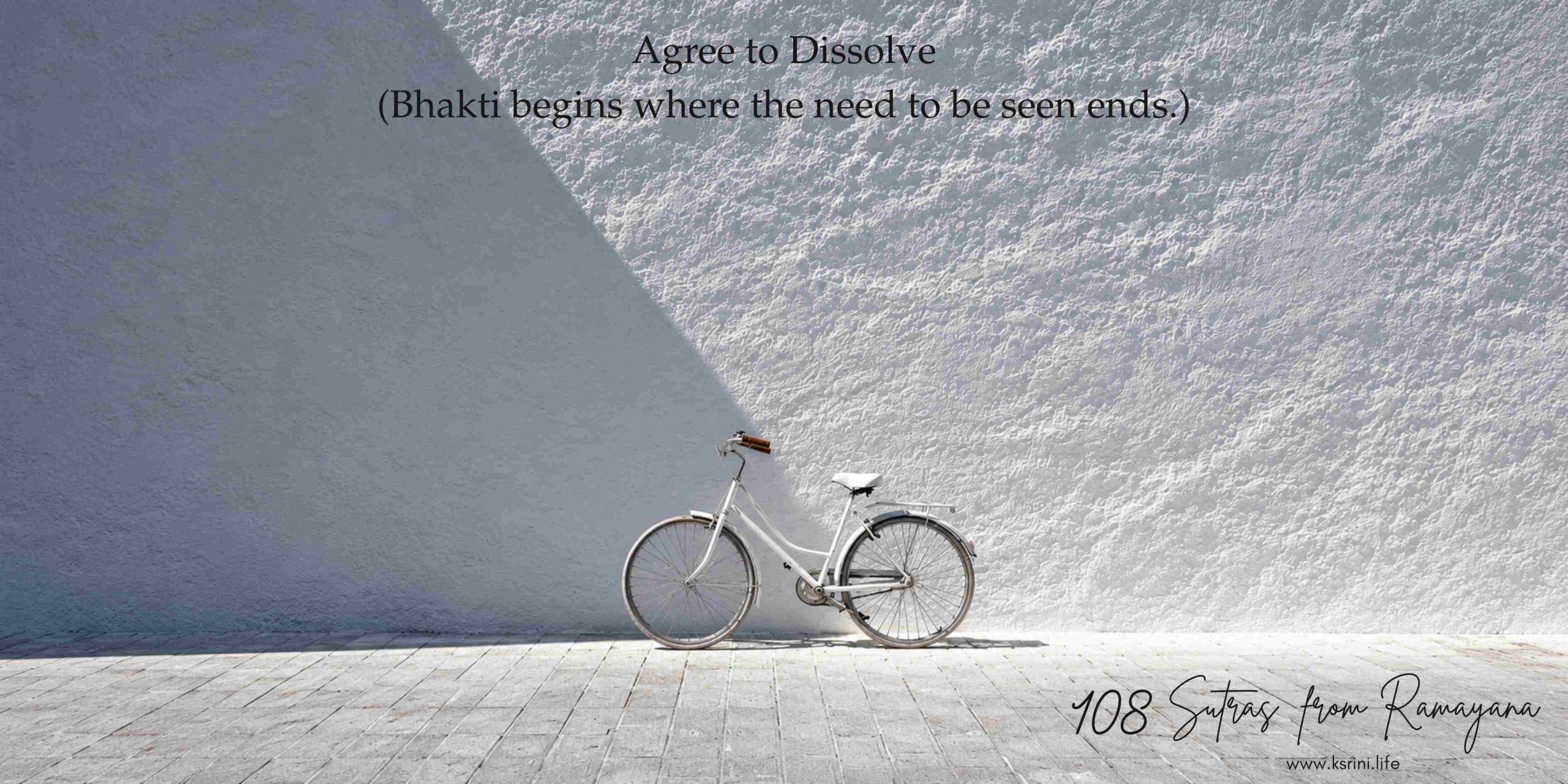
Agree to Dissolve (Bhakti begins where the need to be seen ends.)
Surrender can evoke a quiet fear within us: If I let go, what happens to me? Over time, we construct an identity through our experiences, achievements, relationships, and the way others see us. This identity becomes familiar and deeply personal, creating an instinct to protect it. Beneath many of our choices lies a subtle desire
 3 views
Self-awareness is crucial for personal growth and development. In this article, we explore the concept of self-discovery and offer tips on how
 2 views
In today’s fast-paced world, where corporate success often thrives on ambition, competition, and relentless pursuit of goals, the need for balanced, ethical
 1 views
Where do you see yourself in 10 years? Do you aspire to be in the C-suite, leading people and driving change? If
 1 views
Have you ever reacted to organizational change by rolling your eyes and quietly saying to yourself, “Here we go again”? Or by


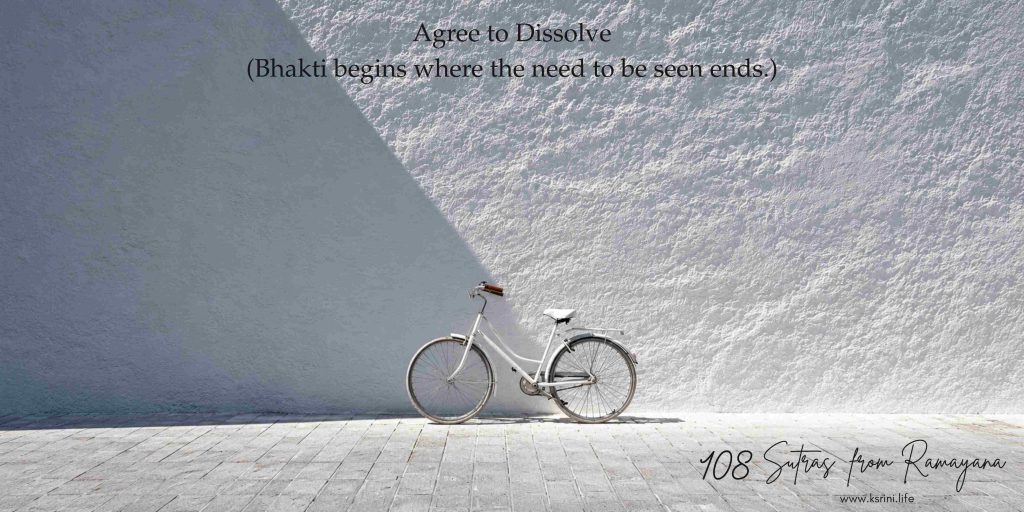
Surrender can evoke a quiet fear within us: If I let go, what happens to me? Over time, we construct an identity through our experiences, achievements, relationships, and the way others see
More
Dharma is easy to uphold when doing what is right comes without a cost. The real struggle begins when integrity demands sacrifice, discomfort, or the possibility of losing something we value. In
More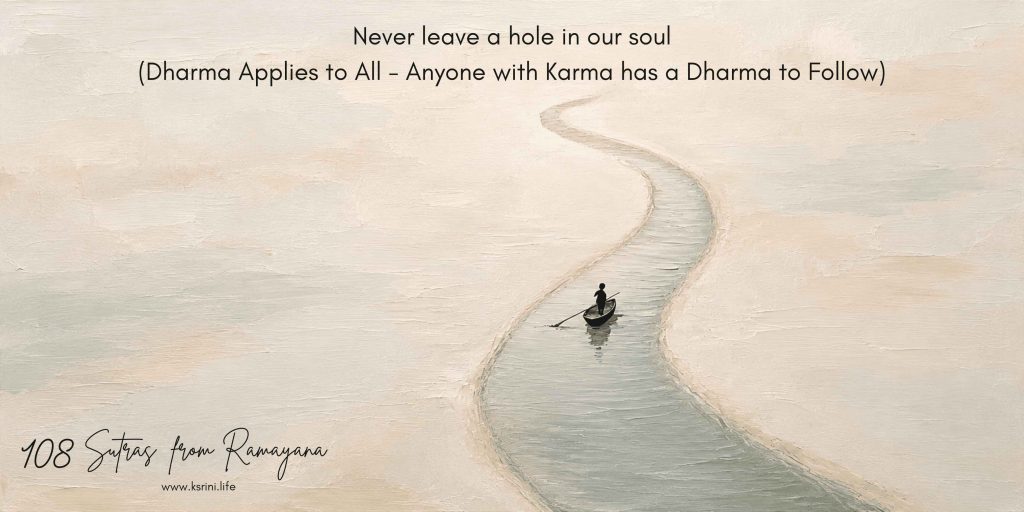
There is a quiet question that often shapes how we respond to responsibility: Does this apply to me? It rarely feels like avoidance because the mind gives it a reasonable explanation. When
More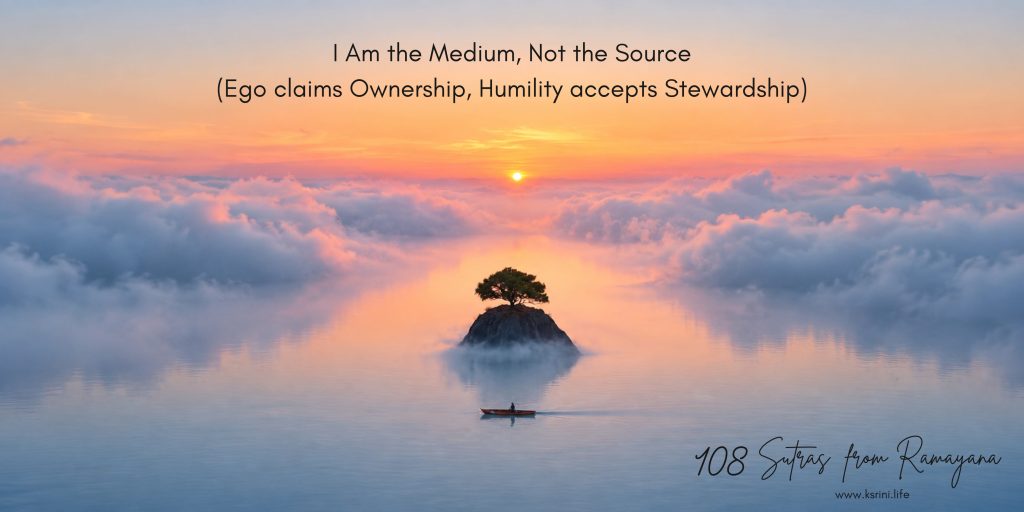
Humility is not about thinking less of ourselves—it is about seeing ourselves more accurately. We naturally tend to claim ownership of our achievements, viewing success through the lens of “I did this.”
More
Humility is often mistaken for downplaying our abilities or making ourselves smaller. In reality, humility is not self-denial—it is self-awareness. It is the ability to see ourselves clearly, recognizing both our strengths
More
There are times when guidance is available, yet it fails to reach us. Advice is offered, feedback is shared, and different perspectives are presented, but we absorb only what aligns with our
More
Many of us grow up believing that strength means handling everything on our own. Asking for help begins to feel like a sign of weakness, while self-reliance becomes something to protect. Yet
More
Humility is not about appearing modest—it is the willingness to recognize that whatever we know is only a small part of a much larger reality. In our early years, this comes naturally.
More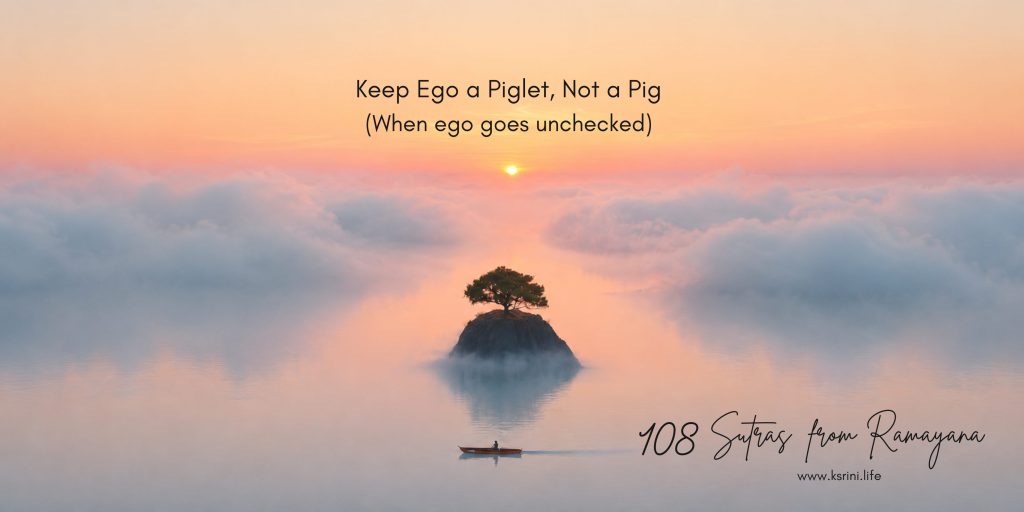
Ego rarely becomes a problem overnight—it grows quietly over time. What begins as healthy confidence, self-respect, and a recognition of our abilities can gradually expand into something larger. Success, authority, validation, and
MorePopular
Self-awareness is crucial for personal growth and development. In this

In today’s fast-paced world, where corporate success often thrives on

Where do you see yourself in 10 years? Do you
a monk a macBook a message